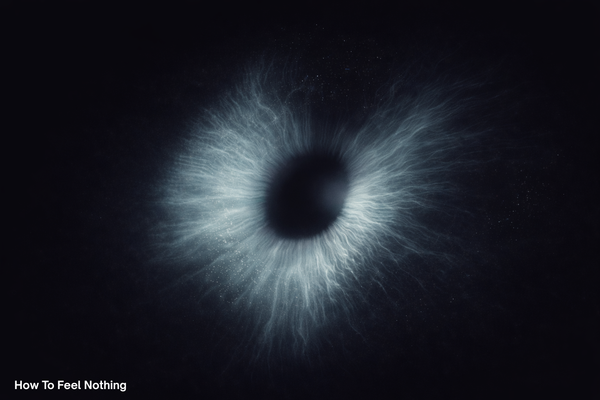
Why I Called It How to Feel Nothing
The title has always unsettled people. Yet it's also relatable.
How to Feel Nothing might sound like an instruction manual for detachment. It might sound like I'm suggesting avoidance as a strategy to disappear from your own life. That reaction makes sense. We live in a time that equates aliveness with intensity, and intensity with health. So a title that gestures toward “nothing” can feel suspicious.
But the title didn’t alone come from theory. It came from personal experience.
After a near-death injury in 2019, something in me reorganized in ways I didn’t immediately understand. On the outside, I returned to work. I could talk about what had happened. I could even analyze it clinically. I knew the language of trauma. I could explain dissociation. I could track my own nervous system patterns with some sophistication. I was doing all the mindfulness strategies.
And yet internally, my inner life had flattened. How I was perceiving myself, others, and the world, felt muted.
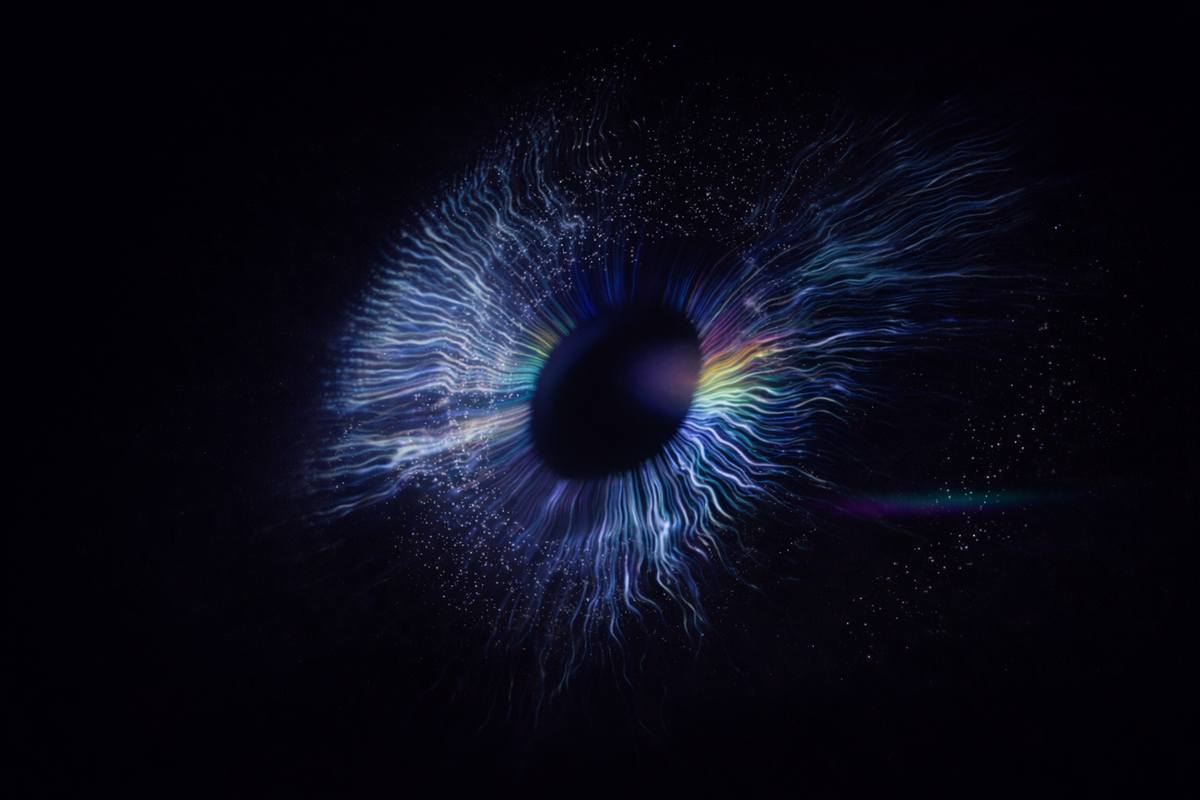
I wasn’t in crisis at first. And because I wasn’t having dramatic PTSD symptoms that demanded attention, that made it harder to name what was happening. The world simply felt muted. What colored my had been reduced - literally and figuratively. The experience of life felt thinner, as if I were living a half-step removed from it. Not fully gone, but not fully here.
It would have been easier, in some ways, if I had been visibly anxious or destabilized. There would have been something obvious to fix. Instead, there was just a quiet reduction in life's contrast.
So I did what many thoughtful adults do when something feels off: I tried to understand it. I read more. I studied more. I mapped what had happened to me. My insight increased steadily. I could describe the mechanisms. I could teach the material.
But the color of life did not return simply because I understood it.
What took me longer to grasp is that feeling “nothing” was not an absence of experience. It was protection. My nervous system had narrowed perception to what felt manageable. It was a survival trade-off: lower contrast, lower resolution. A safer, but smaller feeling life.
And here is the premise that slowly began to form beneath that realization: you cannot bypass numbness with more insight.
You have to turn toward it, and attend to what is there. You have to feel that gap, even if feeling Nothing is subtle, or practically absent at first.
The title How to Feel Nothing is not about learning to detach. It is about learning how to stay in relationship with the place in you that already feels blank, flat, or distant. It is about resisting the impulse to override that state with intensity, productivity, or breakthrough experiences. It is about discovering that numbness often sits at the edge of something that has not yet felt safe enough to emerge.
Most people try to escape “nothing.” They chase stimulation. They seek catharsis. They look for a single experience that will restore color in one dramatic sweep. But in my experience, numbness is not the enemy. It is often the doorway. It marks the boundary of what your nervous system has decided it can tolerate.
If you meet that boundary carefully, without forcing, without performing insight, without trying to optimize your way out of it, something subtle begins to reorganize. What brings resolution to our lives increase. Perception softens and opens. You begin to feel more without being flooded by it.
You don’t force feeling. More importantly, you create the conditions for it.
That has become the heart of this work. Work that I have spent the last six years figuring out how to do. Not pushing people toward intensity. Not manufacturing catharsis. Not selling optimization. But helping them increase their capacity to remain in contact with experience, even when that experience initially feels like nothing at all.
We are learning quickly in this era. We can access insight almost instantly. But becoming more embodied is slower. It requires staying with what feels unremarkable, unresolved, or unfinished long enough for your system to revise itself from within.
Sometimes the path back to aliveness does not begin with more color.
It begins in stillness.
If this premise resonates, I’ll continue exploring it through my own process—embodiment, perception, integration, and the slow return of contrast—in future installments of How to Feel Nothing.
TB